
You are here
Feed aggregator
Chebet focused on 'crazy dream' of historic double in Tokyo
Kenya's Beatrice Chebet is aiming to become just the third woman to clinch a 5,000m-10,000m double at the World Athletics Championships.
Chebet focused on 'crazy dream' of historic double in Tokyo
Kenya's Beatrice Chebet is aiming to become just the third woman to clinch a 5,000m-10,000m double at the World Athletics Championships.
Julien Gbessi élu président de la FNEB
Au terme d'une élection organisée, lundi 15 septembre 2025, sur le campus universitaire d'Abomey-Calavi, c'est la liste Nouvel Elan qui a remporté la majorité des voix, actant ainsi l'élection du candidat Julien Gbessi au poste de président du Bureau exécutif de la Fédération nationale des étudiants du Bénin (FNEB).
Julien Gbessi succède à Marius Tchomakou à la tête du Bureau exécutif de l'organisation estudiantine. Il a été porté en triomphe au terme de l'élection organisée lundi dernier, avec 1713 voix contre 224 voix pour la liste adverse, Nouvelle force militante.
Le nouveau président de la FNEB assure travailler avec l'ensemble « des fédérés » pour faire briller davantage l'organisation estudiantine.
F. A. A.
Categories: Afrique
Commission scales back telecom overhaul ambitions amid fierce pushback
Kloc signalled that the Relevant Market Recommendation review will be delayed past December
Categories: Balkan News, European Union
Viandes, fruits, légumes… Le ministère de l’Agriculture révèle les prix au détail
Le ministère de l’Agriculture, du Développement Rural et de la Pêche, en collaboration avec le Ministère du Commerce Intérieur et de la Régulation du Marché […]
L’article Viandes, fruits, légumes… Le ministère de l’Agriculture révèle les prix au détail est apparu en premier sur .
Categories: Afrique, Union européenne
Travaux publics et infrastructures : voici les 4 priorités fixées par le nouveau ministre Djellaoui
Le nouveau ministre des Travaux publics et des Infrastructures de base, Abdelkader Djellaoui, a présidé mardi un important meeting consacré à la finalisation du programme […]
L’article Travaux publics et infrastructures : voici les 4 priorités fixées par le nouveau ministre Djellaoui est apparu en premier sur .
Categories: Afrique, Union européenne
‘Lines have been crossed’: Brussels urges sanctions on Israel
The move is the EU's most far-reaching attempt yet to pressure Prime Minister Benjamin Netanyahu’s government to halt its war on Gaza
Categories: Balkan News, European Union
Climate mainstreaming in environmental treaties
Are climate treaties, like the United Nations Framework Convention on Climate Change (UNFCCC) or the Paris Agreement, the only way forward for intergovernmental climate cooperation? By now, there are hundreds of multilateral treaties governing a wide range of environmental issues, including energy, freshwater, oceans, air pollution, biodiversity conservation, hazardous waste, agriculture and fisheries. This policy brief examines whether the 379 multilateral environmental treaties that do not primarily address climate change can nevertheless contribute to advancing climate commitments.
We find that decisions adopted under environmental treaties have increasingly mainstreamed climate considerations since 1990. Today, climate-related decisions account for around 10% of regulatory decisions adopted under environmental treaties across different issue areas. Some treaty regimes are particularly active in addressing climate change, such as those focused on energy, freshwater and habitats, with up to 60% of their decisions addressing climate change. In contrast, treaties regulating agriculture and fisheries demonstrate a notably lower level of engagement in climate mainstreaming.
These findings demonstrate that environmental treaties that do not specifically focus on climate change can still contribute to shaping climate governance, albeit to varying degrees. This policy brief concludes with a set of recommendations for researchers, treaty negotiators, secretariats, governments and climate activists seeking to advance intergovernmental cooperation on climate change through means other than climate treaties.
Key policy messages:
Non-climate-focused treaties can serve as a means for developing climate mitigation and adaptation commitments, notably through decisions adopted by their respective bodies. Yet, there is room for increased climate mainstreaming in those decisions. Various actors can contribute to such mainstreaming:
• Researchers could further investigate why some conferences of the parties (COPs) are more receptive to climate concerns than others and what potential trade-offs are associated with climate mainstreaming in environmental treaties.
• Treaty negotiators can favour cross-cutting mandates that enhance policy coherence across interconnected environmental challenges, enabling a more integrated approach to environmental decision-making. They can also design dynamic collective bodies, able to adopt decisions swiftly when new issues or information arise.
• Governments can appoint climate experts in non-climate COPs and advisory committees and report climate-related aspects of their implementation of non-climate treaties.
• Treaty secretariats can coordinate joint initiatives and promote knowledge exchange across climate and other environmental regimes.
• Climate activists can intensify their engagement with non-climate COPs by participating in consultations, submitting position papers, and collaborating with sympathetic delegates to amplify the climate relevance of treaty decisions.
Annabelle Olivier is a PhD student in Political Science at the University of British Columbia.
Jean-Frédéric Morin is Full Professor at the Political Science Department of Université Laval, Canada
Climate mainstreaming in environmental treaties
Are climate treaties, like the United Nations Framework Convention on Climate Change (UNFCCC) or the Paris Agreement, the only way forward for intergovernmental climate cooperation? By now, there are hundreds of multilateral treaties governing a wide range of environmental issues, including energy, freshwater, oceans, air pollution, biodiversity conservation, hazardous waste, agriculture and fisheries. This policy brief examines whether the 379 multilateral environmental treaties that do not primarily address climate change can nevertheless contribute to advancing climate commitments.
We find that decisions adopted under environmental treaties have increasingly mainstreamed climate considerations since 1990. Today, climate-related decisions account for around 10% of regulatory decisions adopted under environmental treaties across different issue areas. Some treaty regimes are particularly active in addressing climate change, such as those focused on energy, freshwater and habitats, with up to 60% of their decisions addressing climate change. In contrast, treaties regulating agriculture and fisheries demonstrate a notably lower level of engagement in climate mainstreaming.
These findings demonstrate that environmental treaties that do not specifically focus on climate change can still contribute to shaping climate governance, albeit to varying degrees. This policy brief concludes with a set of recommendations for researchers, treaty negotiators, secretariats, governments and climate activists seeking to advance intergovernmental cooperation on climate change through means other than climate treaties.
Key policy messages:
Non-climate-focused treaties can serve as a means for developing climate mitigation and adaptation commitments, notably through decisions adopted by their respective bodies. Yet, there is room for increased climate mainstreaming in those decisions. Various actors can contribute to such mainstreaming:
• Researchers could further investigate why some conferences of the parties (COPs) are more receptive to climate concerns than others and what potential trade-offs are associated with climate mainstreaming in environmental treaties.
• Treaty negotiators can favour cross-cutting mandates that enhance policy coherence across interconnected environmental challenges, enabling a more integrated approach to environmental decision-making. They can also design dynamic collective bodies, able to adopt decisions swiftly when new issues or information arise.
• Governments can appoint climate experts in non-climate COPs and advisory committees and report climate-related aspects of their implementation of non-climate treaties.
• Treaty secretariats can coordinate joint initiatives and promote knowledge exchange across climate and other environmental regimes.
• Climate activists can intensify their engagement with non-climate COPs by participating in consultations, submitting position papers, and collaborating with sympathetic delegates to amplify the climate relevance of treaty decisions.
Annabelle Olivier is a PhD student in Political Science at the University of British Columbia.
Jean-Frédéric Morin is Full Professor at the Political Science Department of Université Laval, Canada
Categories: Diplomacy & Defense Think Tank News, Swiss News
Climate mainstreaming in environmental treaties
Are climate treaties, like the United Nations Framework Convention on Climate Change (UNFCCC) or the Paris Agreement, the only way forward for intergovernmental climate cooperation? By now, there are hundreds of multilateral treaties governing a wide range of environmental issues, including energy, freshwater, oceans, air pollution, biodiversity conservation, hazardous waste, agriculture and fisheries. This policy brief examines whether the 379 multilateral environmental treaties that do not primarily address climate change can nevertheless contribute to advancing climate commitments.
We find that decisions adopted under environmental treaties have increasingly mainstreamed climate considerations since 1990. Today, climate-related decisions account for around 10% of regulatory decisions adopted under environmental treaties across different issue areas. Some treaty regimes are particularly active in addressing climate change, such as those focused on energy, freshwater and habitats, with up to 60% of their decisions addressing climate change. In contrast, treaties regulating agriculture and fisheries demonstrate a notably lower level of engagement in climate mainstreaming.
These findings demonstrate that environmental treaties that do not specifically focus on climate change can still contribute to shaping climate governance, albeit to varying degrees. This policy brief concludes with a set of recommendations for researchers, treaty negotiators, secretariats, governments and climate activists seeking to advance intergovernmental cooperation on climate change through means other than climate treaties.
Key policy messages:
Non-climate-focused treaties can serve as a means for developing climate mitigation and adaptation commitments, notably through decisions adopted by their respective bodies. Yet, there is room for increased climate mainstreaming in those decisions. Various actors can contribute to such mainstreaming:
• Researchers could further investigate why some conferences of the parties (COPs) are more receptive to climate concerns than others and what potential trade-offs are associated with climate mainstreaming in environmental treaties.
• Treaty negotiators can favour cross-cutting mandates that enhance policy coherence across interconnected environmental challenges, enabling a more integrated approach to environmental decision-making. They can also design dynamic collective bodies, able to adopt decisions swiftly when new issues or information arise.
• Governments can appoint climate experts in non-climate COPs and advisory committees and report climate-related aspects of their implementation of non-climate treaties.
• Treaty secretariats can coordinate joint initiatives and promote knowledge exchange across climate and other environmental regimes.
• Climate activists can intensify their engagement with non-climate COPs by participating in consultations, submitting position papers, and collaborating with sympathetic delegates to amplify the climate relevance of treaty decisions.
Annabelle Olivier is a PhD student in Political Science at the University of British Columbia.
Jean-Frédéric Morin is Full Professor at the Political Science Department of Université Laval, Canada
Categories: Diplomacy & Defense Think Tank News, European Union
Pourquoi l'emprise des groupes armés dans le sud du Mali a des répercussions au-delà des frontières
Le JNIM a ouvert un nouveau front dans son insurrection au Mali en imposant un blocus autour de Kayes, l'une des régions les plus stratégiques du pays.
Categories: Afrique
Pályázati felhívás tudományos és technológiai szakdiplomata „TéT attasé” külszolgálati munkakör betöltésére
A Kulturális és Innovációs Minisztérium, mint szakminisztérium és a Külgazdasági és Külügyminisztérium – a kormányzati tudománypolitikáért és annak koordinációjáért, valamint a tudománydiplomáciáért való ágazati kormányzati felelősségi körükben eljárva – közös pályázatot hirdet tudományos és technológiai szakdiplomata (”TéT attasé”), beosztott diplomata külszolgálati munkakör betöltésére a következő állomáshelyeken: London, Pekin, Szöul.
A pályázat beadásának határideje: 2025. október 15.
Categories: Afrique, Pályázatok
Die Zucman-Steuer: Abgabe entscheidet über Frankreichs Haushaltsstreit
Mit 38 Jahren gilt Zucman als Shootingstar der französischen Wirtschaftswissenschaft und Mann der Stunde. Der Professor an der Universität Berkeley in den USA und Direktor des European Tax Observatory in Paris will die Staatskassen mit einem Plan auffüllen: einer Steuer von zwei Prozent auf Haushalte, deren Vermögen die Marke von 100 Millionen Euro übersteigt.
Categories: Africa, Europäische Union
French PM opens budget talks with opposition, Socialists impose their terms
Over the summer, the PS put forward an alternative budget that proposed higher taxes for the wealthiest households
Categories: Balkan News, European Union
Bruxelles : un Algérien et sa famille menacés de mort en raison de leurs origines
Depuis plusieurs jours, Mohamed Elhajaiji, un commerçant algérien de Schaerbeek, à Bruxelles, subit de graves menaces. Le gérant d’un magasin de décoration situé dans la […]
L’article Bruxelles : un Algérien et sa famille menacés de mort en raison de leurs origines est apparu en premier sur .
Categories: Afrique, Union européenne
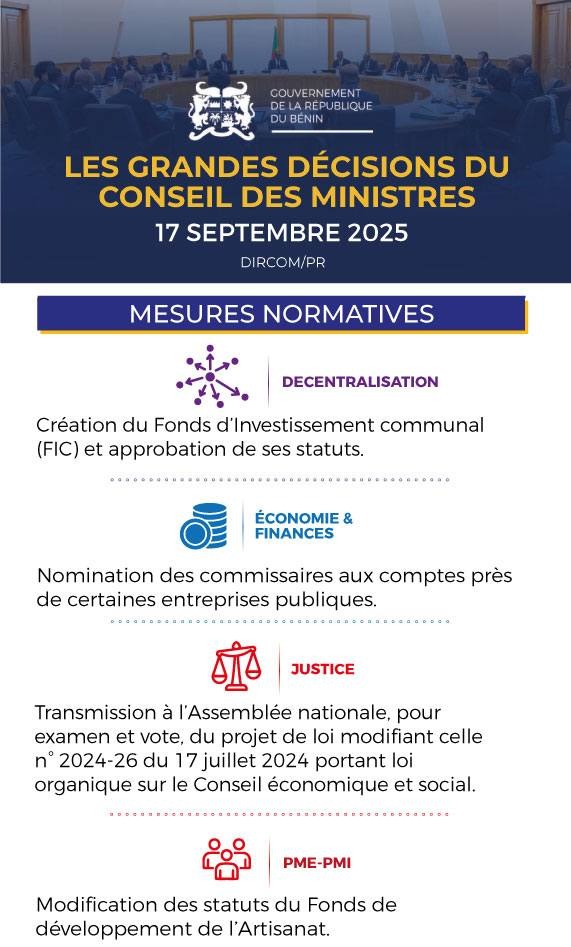
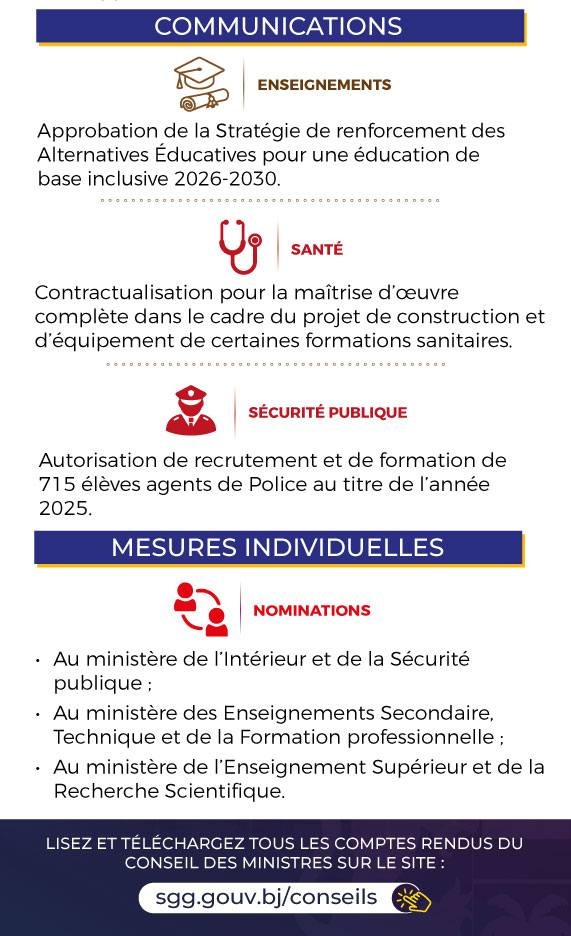
Les décisions prises en Conseil des ministres
Le gouvernement a tenu mercredi 17 septembre 2025, la session ordinaire du Conseil des ministres. Plusieurs décisions ont été prises au cours de cette session.
Récapitulatif des grandes décisions
Categories: Afrique
Poison killed Putin critic Navalny, wife says
Moscow has never fully explained the causes of his death, saying only that he fell ill while walking in the prison yard on 16 February 2024
Categories: Balkan News, European Union
EU targets strategic ties with India to ‘soften’ anti-Western rhetoric
Potential areas of greater collaboration include defence, technology, and climate change
Categories: Balkan News, European Union
Debate: Ground offensive in Gaza City: the end of diplomacy?
The Israeli army has launched a ground offensive in Gaza City that aims to completely eliminate Hamas forces in the area, according to a military spokesman. Hundreds of thousands of residents are trying to flee the city. The EU has called for a stop to the 'cycle of violence, destruction and suffering', while US Secretary of State Marco Rubio has expressed doubts that the Gaza war can be ended through diplomatic means.
Categories: European Union, Swiss News
Pages
the old site is here


© 2012-2015 Europa Varietas Foundation © 2015-2020 Europa Varietas Association
www.europavarietas.org | info(@)europavarietas(dot)org | Switzerland
This is a GDPR ready site


We are looking for sponsors for the English translation of these books, please contact turkeandras(at)gmail(dot)com